
Pick Crown’s Biblical Financial Study if your group wants to spend ten weeks in Scripture with financial exercises attached. Pick Financial Peace University if your group wants nine one-hour video lessons built around a step-by-step plan for emergency savings, debt and investing. Both can work in a church. They answer different questions.
I compared the two using the publishers’ own pages: shop.crown.org for Crown and ramseysolutions.com for Financial Peace University (FPU). Prices below are what those pages listed in October 2026. They change, and group discounts exist, so confirm before you order for a room full of people.
Put it into practice
Before you pick a curriculum, find out where your group stands. Have each household run our Budget Calculator and Net Worth Calculator, then compare notes. Their answers will tell you whether the group needs more Scripture, more mechanics or both.
The two courses side by side
| Item (October 2026) | Crown: Do Well, Biblical Financial Study | Ramsey: Financial Peace University |
|---|---|---|
| Length | 10 weeks (shop.crown.org) | 9 lessons of about one hour each; most classes meet weekly for nine weeks (ramseysolutions.com) |
| Core format | Small group; each lesson has an in-depth Bible study and hands-on financial exercises | On-demand video lessons, classes virtual or in person |
| What you buy | Study Set: manual, the book The Worst Financial Mistakes in the Bible and How You Can Avoid Them, and a Money Map | Nine video lessons, three months of EveryDollar premium and a Self-Study Workbook |
| Listed price | $44.95 for the Study Set; Facilitator’s Guide $13.00 for the leader | $99 for FPU; $129 for the All Access bundle |
| Leader costs | Free online facilitator training | Coordinators get FPU for free; a spouse attends at no extra cost |
| Online option | Offered through Crown Online | Classes can be virtual |
One caution on the Ramsey side. Its pricing page’s sales copy contains a different figure in one line than the $99 shown for the course, so the price may differ by offer or by church partnership. Ask your coordinator what your class costs.
Theology and emphasis
Crown describes its approach as biblical stewardship: helping people understand who they are and what they have, and how to use both. The Do Well study pairs each week’s Bible study with exercises. A group using it will open Scripture every week and then do the math.
FPU’s course content, as church pages summarize it, teaches how to save for emergencies, pay off debt fast, spend wisely and invest for the future. The method leads. A group using it will hear a clear plan, then discuss how to carry it out at home.
Neither sentence is a verdict. Plenty of churches run FPU and add their own Bible discussion, and plenty of Crown groups spend as much time on budgets as on texts. If you want a deeper look at the Ramsey side, read our review of whether Dave Ramsey is biblical. For a Scripture-based study plan you can write yourself, see our Dave Ramsey Bible study guide.
What the Bible gives a group to work with
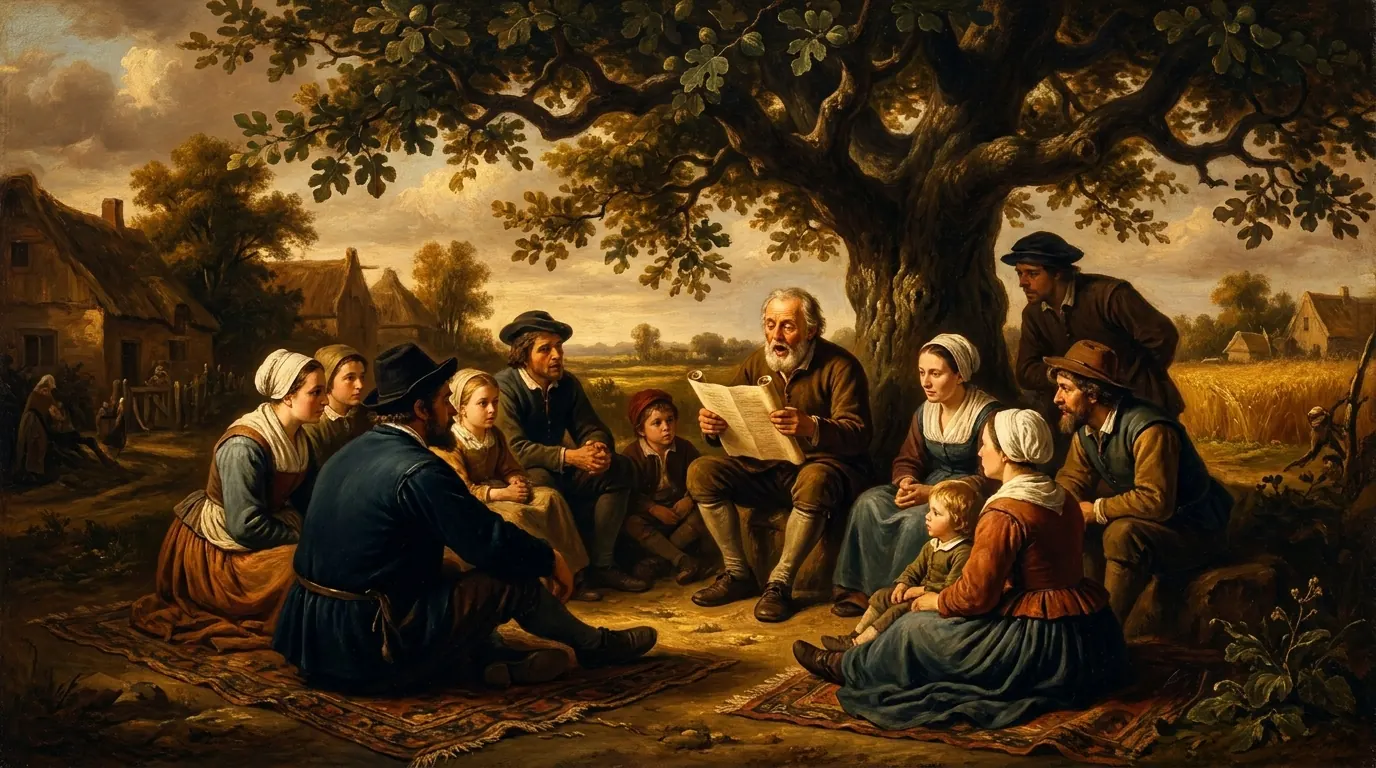
Whichever course you choose, the same texts will come up. Here are the ones a leader should know cold.
“The plans of the diligent lead surely to abundance, but everyone who is hasty comes only to poverty” (Proverbs 21:5, ESV). This supports any course that asks people to make a written plan.
“For which of you, desiring to build a tower, does not first sit down and count the cost, whether he has enough to complete it?” (Luke 14:28, ESV). This one supports budgeting.
“The rich rules over the poor, and the borrower is the slave of the lender” (Proverbs 22:7, ESV). This is the verse behind the debt portions of both courses.
“Honor the LORD with your wealth and with the firstfruits of all your produce” (Proverbs 3:9, ESV). A study that never reaches generosity has skipped the first line of the ledger.
Use these as a checklist. After the course, ask whether your group handled each text. If a course left one out, add a session.
Choosing for your group
| If your group | Lean toward |
|---|---|
| Wants Bible study time every week | Crown |
| Wants a clear debt and savings plan to follow | Financial Peace University |
| Has a small budget for materials | Compare the per-household cost after any church or group pricing |
| Includes a trained teacher who can lead discussion | Either; Crown’s free facilitator training lowers the barrier |
| Meets over video or has traveling members | Either; both list online options |

A seven-step process for the church board
1. Name the goal. Debt freedom, generosity, a working budget, or all three. Write one sentence.
2. Survey the room. Ask for anonymous answers on debt, savings and comfort with Bible study. A single page of questions will do.
3. Preview both. FPU offers a free preview of Lesson 1 on its site. For Crown, read the weekly outline and the free facilitator training.
4. Price per household. Add the course, the leader guide and any apps. Check for church or group pricing.
5. Choose a leader. Pick someone who has lived the material and can say so.
6. Set a rhythm. Same night, same time, same room for the whole run. Couples attend together.
7. Plan the graduation. After week nine or ten, schedule a follow-up meeting for stories and accountability. The second group often starts because the first one shared results.
If you want an alternative to both, our Financial Peace University alternatives guide lists other options.
What a group of twelve households would pay
Arithmetic helps a church board more than adjectives. Using the October 2026 listings above, with no group or church discount applied, a group of twelve households costs this much.
| Line | Crown Do Well | Financial Peace University |
|---|---|---|
| Per household | $44.95 (couples can share one set) | $99 (spouse attends at no extra cost) |
| Twelve households | $539.40 | $1,188, or $1,089 if the coordinator’s own copy is free |
| Leader materials | $13.00 Facilitator’s Guide, training free | Coordinator copy free |
| Total for the room | $552.40 | $1,089 to $1,188 |
Each bundle holds different things. Crown’s set holds a manual, a book and a Money Map. The Ramsey price includes nine video lessons, three months of premium EveryDollar and a workbook. A church that already uses a budgeting app may place little value on the app time. A church with no teacher may value the videos. Price tells part of the story, and the fit tells the rest.
Running the first night
A course succeeds or fails in the first meeting. Whatever you buy, plan the opening session on its own terms.
Start with Scripture on why you meet together. “Two are better than one, because they have a good reward for their toil” (Ecclesiastes 4:9, ESV). Money habits are hard to change alone. Then add the counsel verse: “Without counsel plans fail, but with many advisers they succeed” (Proverbs 15:22, ESV). A group of households supplies that counsel.
Set simple ground rules. Households share numbers only when they choose to. Nobody gives advice about another person’s debt unless asked. The leader shares a real mistake first, which lowers the temperature for everyone else. Close the session by asking each household to name one number they will learn before next week, such as total debt or monthly spending.
In week two or three, someone will ask whether a household in trouble can get help beyond the course. Decide ahead of time who the church will call. Many churches keep a short list: a deacon or elder, a benevolence contact, and a credit counselor the pastor trusts. A course teaches the plan. The church supplies the people.
After week nine or ten
Groups that finish a money course often drift apart by spring. A plan for the weeks after graduation keeps the habits alive. Schedule one reunion at three months and one at a year. Ask each household to report one number that moved: debt paid, savings built, giving raised.
Use the reunion to answer the question the course raises but cannot settle. What will our church do with households that finish and still struggle? Some churches start a standing budget table that meets monthly. Others pair a graduate household with a newer one. Our page on a Bible study on money for small groups offers session ideas for a group that wants to keep meeting.
Whichever course you pick, ask the group at the end whether it shaped their giving. A course that improves a budget and leaves generosity untouched has done half its work.
Two more room sizes, with the arithmetic
The twelve-household example above is one case. Churches also run tiny groups and larger classes. These totals use the same October 2026 listings, apply no discounts, and serve as illustrations. Your group, offer and pricing may differ.
A group of six households. Crown costs 6 x $44.95 = $269.70 for the Study Sets, plus $13.00 for the leader’s guide, for $282.70. Financial Peace University costs 6 x $99 = $594, or $495 if the coordinator’s own copy is free. In a room this small the gap is $311.30 at the high end of the Ramsey figure, and a leader can run either course around a kitchen table with a laptop.
Ten married couples. Crown lets a couple share one set, so 10 x $44.95 = $449.50, plus the $13.00 guide, for $462.50. Financial Peace University lets a spouse attend at no extra cost, so 10 x $99 = $990, or $891 with the coordinator’s copy free. The difference is $527.50 at the high end and $428.50 at the low end. A church that subsidizes materials can see what each choice does to its benevolence budget before the first meeting.
Cost alone should not decide the matter. A $400 difference matters less than a course the group finishes. Pick the one your members will open every week.
A checklist before you order
Work through these questions with the person who will lead the class. Each one prevents a common problem in week three.
- Which weekly slot fits the most households, and is childcare available?
- Does the leader want a course that supplies the lesson, or one that supplies the Bible study to discuss?
- Will couples attend together, and does each course’s pricing rule for couples match your plan?
- Who answers the question that a household in crisis will raise in week two?
- What happens to someone who misses a session, and can they catch up online?
- Has the pastor read the material, so that the church’s own convictions on tithing and debt get a fair hearing?
- Is a follow-up meeting on the calendar before the first class starts?
Answer these in writing and share them with the group in the invitation. People commit more readily when they know what the weeks ahead will ask of them.
Internal study path
Continue with alternatives to Financial Peace University, the Dave Ramsey Bible study, is Dave Ramsey biblical, our Financial Peace University biblical review, the budgeting hub and the free resources page.