
This is a free six-week Bible study on money for small groups. Each week has one main passage, one big idea, four discussion questions and one practice to try before the next meeting. The weeks run from ownership to contentment, work, debt, generosity and the future. Each session fits 60 to 75 minutes, and nobody needs a workbook or a financial background to lead it.
Put it into practice
Give each member a copy of the free Biblical Blueprint for Money (41-page PDF, no signup) as a companion reading, and hand out the Biblical Budget Template in week 6. All five PDFs sit on our free resources page.
How to use this study
The plan below suits a group of four to twelve adults. It works in a living room, a church classroom, a break room at work or a video call. Keep the same group for all six weeks, so trust builds and people feel safe talking about real numbers.
A session follows a simple rhythm. Open with a short prayer and a check-in on last week's practice, about ten minutes. Read the passage aloud, and let someone else read it a second time, about five minutes. Discuss the four questions, thirty to forty minutes. Close with the practice for the week and a prayer, about ten minutes.
Some ground rules help. Nobody has to share any dollar amount. People can pass on any question. What is said in the room stays there. Any willing believer can lead. The job is to read, ask the question and let the room answer. Where the passage is clear, let it speak. Where sincere Christians disagree, say so and move on kindly.
Use a standard Bible in any translation. Each week names one main text with a few supporting ones, so the conversation stays anchored in Scripture.
The six weeks at a glance
| Week | Theme | Main passage | Big idea | Practice |
|---|---|---|---|---|
| 1 | Ownership | Psalm 24:1 | God owns everything, and we manage it | List what you hold and pray it back to God |
| 2 | Contentment | Philippians 4:11-13 | Contentment is learned, and it can be practiced | One week with no unplanned purchases |
| 3 | Work | Proverbs 6:6-11; Colossians 3:23 | Honest work is worship and a source of provision | Do one task this week as for the Lord |
| 4 | Debt | Proverbs 22:7; Romans 13:8 | Debt carries real weight, and a plan lightens it | Write every debt on one page |
| 5 | Generosity | 2 Corinthians 8-9 | Generosity is grace that grows, and joy goes with it | Choose a giving percentage and one act of giving |
| 6 | The future | Matthew 6:19-34; Proverbs 21:20 | Trust God and plan wisely at the same time | Draft a one-page money plan |
Week 1: Ownership
Passage: Psalm 24:1, “The earth is the LORD's and the fullness thereof, the world and those who dwell therein.” Add Deuteronomy 8:17-18 as a supporting text.
Big idea: Everything we hold belongs to God, and we are managers of it. This is the base of every other week, because a manager asks different questions from an owner.
Discussion questions
1. Where do you feel like the owner of your money, and where do you feel like the manager?
2. Deuteronomy 8:18 says God gives the power to get wealth. What changes in your thinking if you believe that?
3. How would the way you spend this month look different if you treated the money as belonging to someone else?
4. What is the hardest thing to hand back to God: income, savings, a house, a future plan?
Practice for the week: Write down everything you hold, from income and savings to the house and car. Pray over the list and say aloud that it belongs to God. Our page on biblical stewardship for beginners is a good companion.
Week 2: Contentment
Passage: Philippians 4:11-13. Paul writes that he has learned in whatever situation he is to be content, and that he knows how to be brought low and how to abound.
Big idea: Contentment is learned over time. Paul says he learned it. This week takes away the pressure to feel content right away. Verse 13, which people often quote alone, sits inside this context of learning to face plenty and hunger with the same steadiness.
Discussion questions
1. Paul says he learned contentment. What situations in your life have been teachers?
2. What does advertising tell you that you need, and how much of it have you believed?
3. Read Hebrews 13:5. How does the promise that God will never leave you speak to money worries?
4. Where do you compare your life with others, and what does it cost you?
Practice for the week: Go one week without unplanned purchases. Write down each time you wanted to buy something and what you felt. Bring the list to next week's group. Our page on contentment in the Bible goes deeper.
Week 3: Work
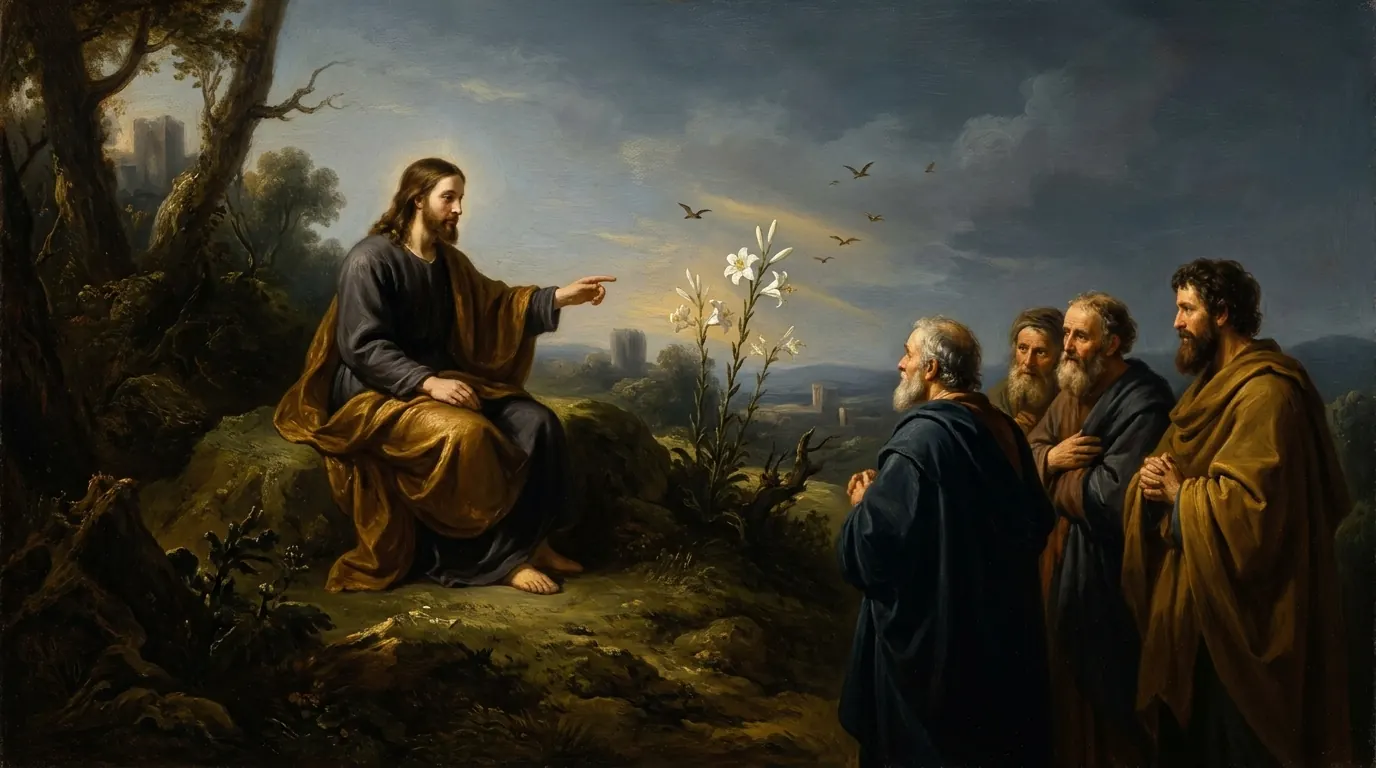
Passage: Proverbs 6:6-11 and Colossians 3:23. The ant has no boss and still stores its food, and Paul tells believers to work heartily, as for the Lord and not for men.
Big idea: Work is a place where we serve God and receive provision. Proverbs warns against laziness, and Colossians lifts ordinary jobs into worship. Both belong in the same week, and both apply to the person with a long commute and to the parent who works at home.
Discussion questions
1. What does it look like to work “as for the Lord” on a hard Monday?
2. Where does the ant's example challenge your habits with time and savings?
3. What makes work feel meaningless, and what would change if you believed Colossians 3:23?
4. How do you treat coworkers, customers and bosses when nobody is watching?
Practice for the week: Pick one task you usually do carelessly and do it well, as though Jesus were the one receiving it. Our pages on Proverbs 6:6-8 and Colossians 3:23 give background for the leader.
Week 4: Debt
Passage: Proverbs 22:7, “The rich rules over the poor, and the borrower is the slave of the lender,” and Romans 13:8, “Owe no one anything, except to love each other.”
Big idea: Debt carries real weight, and the Bible speaks of it as a kind of bondage. It does not forbid borrowing in every case, so the group should handle the topic with care. A plan lightens the weight, and honest numbers bring the plan.
Discussion questions
1. What does “slave of the lender” describe in your own experience of debt?
2. How do Proverbs 22:7 and Romans 13:8 lead you to think differently about a car loan, a mortgage or a credit card?
3. What keeps people silent about their debt, and what would help the group be a safe place?
4. Which debt would you choose to pay off first, and why?
Practice for the week: Write every debt on one page with the balance, rate and minimum payment. Nobody has to share the page. Use the debt snowball calculator in private, and read our page on what the Bible says about debt.
Week 5: Generosity
Passage: 2 Corinthians 8-9. Paul describes the poor churches of Macedonia, who gave beyond their means with joy, and he teaches that God loves a cheerful giver (2 Corinthians 9:7).
Big idea: Generosity is grace at work in us, and joy goes with it. Paul points to Christ, who became poor so that others might become rich (2 Corinthians 8:9), and invites the Corinthians to respond.
Discussion questions
1. What stands out about the Macedonians in 2 Corinthians 8:1-5?
2. Verse 9:7 mentions giving as one has decided in the heart. What has helped you decide?
3. How do you feel about a fixed percentage such as the tithe, and what does the New Testament add to the conversation?
4. Who is someone you could bless this month, and how?
Practice for the week: Choose a giving percentage with your spouse or a trusted friend, and make one specific gift before the next meeting. Our page on 2 Corinthians 8-9 gives the leader background, and the free Complete Tithe guide supports the percentage discussion.
Week 6: The future
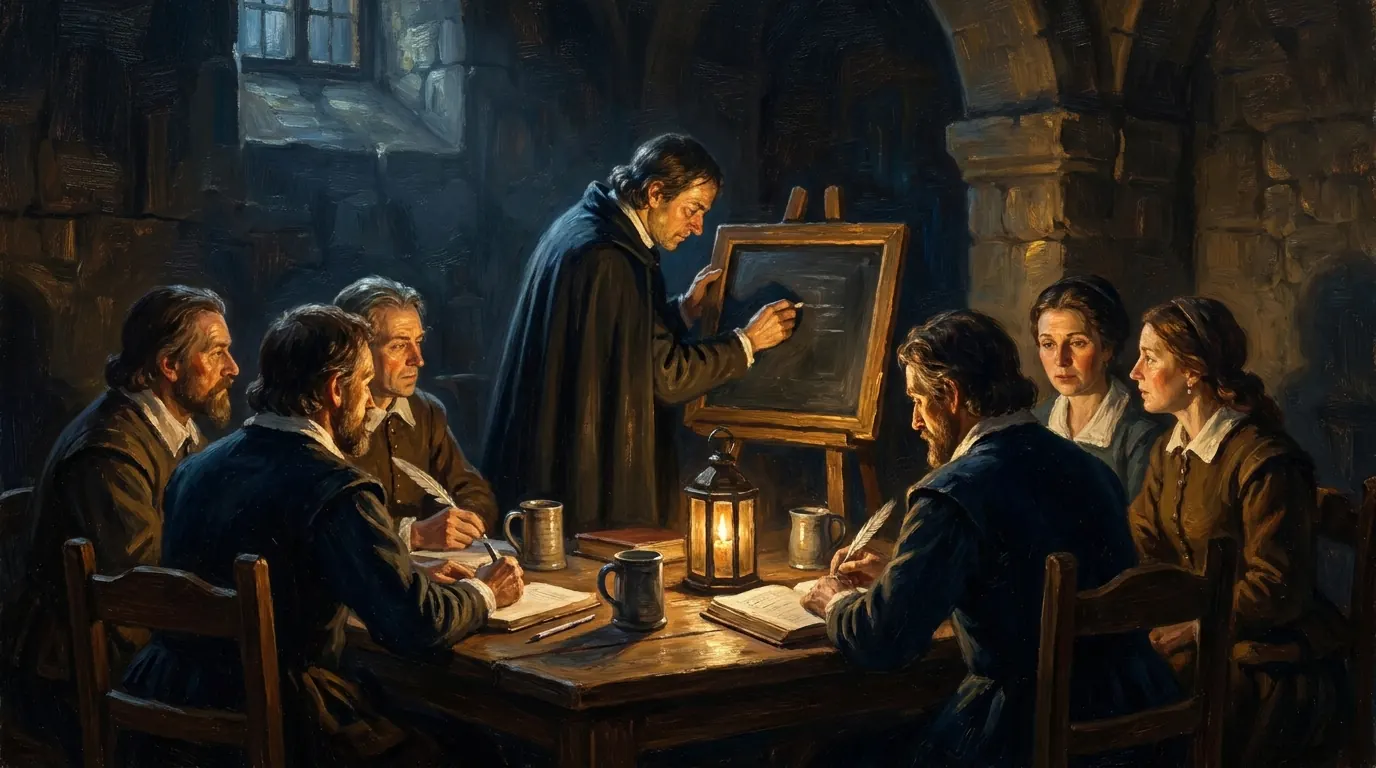
Passage: Matthew 6:19-34 and Proverbs 21:20. Jesus tells his listeners not to store up treasure on earth, and not to be anxious about food, clothing or tomorrow. Proverbs praises the household that keeps a reserve.
Big idea: Trust and planning belong together. Jesus leaves room for work and saving, and he calls us to seek first the kingdom (Matthew 6:33) and to put worry down. Proverbs 21:20 adds that wisdom saves, and foolishness devours what it has.
Discussion questions
1. What does Jesus say about worry in Matthew 6:25-34, and how do the birds and lilies fit?
2. How do you hold Matthew 6:19-21 and Proverbs 21:20 together?
3. What does “seek first the kingdom” look like in a monthly budget?
4. What is one worry about money you could hand over to God tonight?
Practice for the week: Write a one-page money plan with four parts: giving, saving, debt payoff and living costs. Use our Budget Calculator and the printable Biblical Budget Template. Our pages on Matthew 6:19-21 and Proverbs 21:20 back up the discussion.
Tips for the leader
Prepare a little. Read the passage twice and skim the linked page before each meeting. You do not need answers to every question.
Protect privacy. Money brings shame and fear to many people. Say at the start of week 1 that nobody has to share numbers, and repeat it when needed.
Include couples carefully. Money is one of the largest sources of conflict in marriage. Encourage spouses to talk at home about the weekly practice, and do not push them to argue in front of the group.
Point people to help. Some members may face severe debt, job loss or a crisis. Have the name of a pastor, a benevolence contact or a nonprofit credit counselor ready, so nobody leaves without a next step.
Finish with a celebration. After week 6, share a meal and ask what changed. Small wins deserve attention.
Consider a follow-up. Many groups continue with a longer book study. Our page on the Dave Ramsey Bible study and the free PDFs give options for the next season.
Internal study path
Keep going with biblical stewardship for beginners, stewardship verses in the Bible, seven biblical principles of money management, the Dave Ramsey Bible study, what the Bible says about money, and our stewardship hub.